Malaysian Rice Delights Part 2 Of 2
Sunday 2024/7/21


Nasi means “rice” in Malaysian language. I am preparing 6 Malaysian rice dishes for 2 Episodes.
2 Episodes exploring:
Part 1: Nasi Beringin, Nasi Dagang, Nasi Kandar 《Published》
Part 2: Nasi Kerabu, Nasi Lemak, Nasi Tumpang 《Now》
Part 2: Nasi Kerabu, Nasi Lemak, Nasi Tumpang

▲ 4. Nasi Kerabu
Nasi kerabu is a Malaysian rice dish, a type of nasi ulam, in which blue-colored rice is eaten with dried fish or fried chicken, crackers, pickles and other salads. The blue color of the rice comes from the petals of Clitoria ternatea (butterfly-pea) flowers (bunga telang), which are used as a natural food coloring in cooking it. The rice can also be plain white rice or rice cooked using turmeric. It is often eaten with solok lada (stuffed peppers) and is also eaten with fried keropok.
Nasi kerabu is very popular in the east coast states of Peninsular Malaysia such as Kelantan and Terengganu, and now can be found throughout Malaysia as well as in southern Thailand, where it is known as khao yam.
Ingredients
Nasi Kerabu Kelantan
Cooked Blue Rice
Coconut Flaked Fish (Kerisik Sambal Ikan)
Coconut Sauce (Sambal Tumis Kelapa)
Mixture of Herb and Vegetable (Ulam)
Choice of Accompaniments (optional)
Rice:
· 200 gm (1 cup) Rice
· 8 Butterfly pea flower (Bunga Telang) - soaked in hot water
· 2 Kaffir Lime Leaves (Daun Limau Purut) - optional
· 1 stalk Lemongrass - bruised (optional)
Coconut Flaked Fish (Kerisik Sambal Ikan)
· 1 Mackerel - grilled/pan fry and remove the flesh
· 80g Grated Coconut
· ½ teaspoon Salt
· 1 teaspoon Sugar
· 4 Shallots 1cm Ginger - peeled
· ¼ tsp ground White pepper
Coconut Sauce (Sambal Tumis Kelapa)
· 3 Dried Chillies - soaked with hot water to soften
· 4 Shallots - peeled
· 300ml Coconut Milk
· 1 piece Dried Sour Fruit (Asam Gelugur / Asam Keping)
· 1 stalk Lemongrass (serai) - lightly bruised
· ½ teaspoon sugar
· ½ teaspoon salt - optional
· 1 teapoon Budu / Salted Anchovy Sauce - optional
Choice of Herb Salad (Ulam) - finely sliced/shredded
· Cucumber (did not use)
· Cabbage Leaves
· Bean Sprouts (Taugeh) - do not slice
· Long Beans
· Four Angled Bean (Kacang Botol)
· Vietnamese Mint (Daun Kesum)
· Kaffir Lime Leaves (Daun Limau Purut)
· Lemongrass (Serai)
· Torch Ginger Buds (Bunga Kantan)
· Onion
· Cashew nuts leaves / Pucuk Gajus
Side Dishes/Accompaniments (Optional)
Prawn Crackers (Keropok)
Boiled Salted Egg (Telur Masin)
Fried Fish (Ikan Goreng Tepung)
Grilled Beef (Daging Bakar)
Fried Chicken (Ayam Goreng)
Instructions
Rice
1. Wash and drain the rice. Soak the rice with the butterfly pea flower water for 10 minutes. Add in kaffir lime leaves and lemongrass and cook the rice as usual.
Coconut Flaked Fish (Kerisik Sambal Ikan)
1. Dry fry the grated coconut in wok/pan until lightly brown.
2. Pound shallot & ginger in pestle and mortar. Add in coconut and other ingredients, pound to mix well. If you do not have pestle and mortar, use a grinder/blender.
Coconut Sauce (Sambal Tumis Kelapa)
1. Combine dried chilies and shallots by grinding or blending in a blender. Into a pot, put coconut milk, ground chilies and shallots, dried sour fruit slices and lemongrass. Bring to a slow boil.
2. Simmer gently, stirring constantly for 10 minutes or until oil separates. However, if you are using canned coconut, the oil will not separate no matter how long you cook. In this instance, just cook until the gravy thickens.
3. Add sugar and salt or budu (whichever one you prefer), then transfer to a serving bowl.


《Blue Butterfly Pea Flower》on the last page
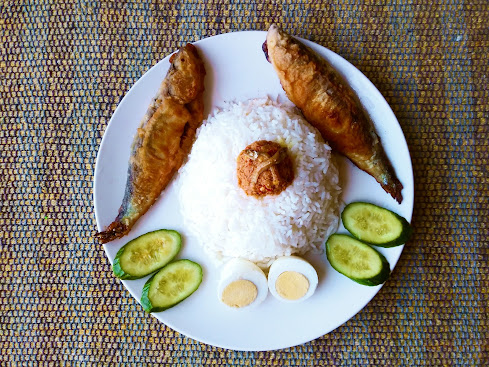
▲ 5. Nasi Lemak
Nasi lemak is a dish originating in Malay cuisine that consists of fragrant rice cooked in coconut milk and pandan leaf. It is commonly found in Malaysia, where it is considered as the national dish. It is also a native dish in neighbouring areas with significant ethnic Malay populations such as Singapore and Southern Thailand. In Indonesia, it can be found in several parts of Sumatra, especially the Malay regions of Riau, Riau Islands and Medan. It is considered an essential dish for a typical Malay-style breakfast. Nasi lemak is featured as a national dish in most of the country's tourism brochures and promotional materials.
Nasi lemak - Malaysian coconut milk rice, served with sambal, fried crispy anchovies, toasted peanuts and cucumber.
Ingredients
· coconut milk steamed rice
· 2 cups rice
· 3 screwpine leaves tie them into a knot
· salt to taste
· 5.6 oz (158g) coconut milk 150 ml-180 ml
· some water
Tamarind Juice
· 1 cup water
· tamarind pulp size of a small ping pong ball
Sambal Ikan Bilis (Dried Anchovies Sambal)
· 1/2 red onion
· 1 cup ikan bilis dried anchovies
· 1 clove garlic
· 4 shallots
· 10 dried chillies
· 1 teaspoon belacan prawn paste
· 1/4 teaspoon salt
· 1 tablespoon sugar
Other ingredients
· 2 hard boiled eggs cut into half
· 3 small fish sardines or smelt fish
· 1 small cucumber cut into slices and then quartered
Instructions
1. Just like making steamed rice, rinse your rice and drain. Add the coconut milk, a pinch of salt, and some water. Add the pandan leaves into the rice and cook your rice.
2. Rinse the dried anchovies and drain the water. Fry the anchovies until they turn light brown and put aside.
3. Pound the prawn paste together with shallots, garlic, and deseeded dried chilies with a mortar and pestle. You can also grind them with a food processor. Slice the red onion into rings.
4. Soak the tamarind pulp in water for 15 minutes. Squeeze the tamarind constantly to extract the flavor into the water. Drain the pulp and save the tamarind juice.
5. Heat some oil in a pan and fry the spice paste until fragrant. Add in the onion rings. Add in the ikan bilis and stir well. Add tamarind juice, salt, and sugar. Simmer on low heat until the gravy thickens. Set aside.
6. Clean the small fish, cut them into half and season with salt. Deep fry. Cut the cucumber into slices and then quartered into four small pieces. Dish up the steamed coconut milk rice and pour some sambal ikan bilis on top of the rice. Serve with fried fish, cucumber slices, and hard-boiled eggs.


▲ 6. Nasi Tumpang
Nasi tumpang is a rice dish originating in Kelantan, Malaysia. Nasi tumpang is rice with different layer of dishes wrapped in a cone shape with banana leaf packed. Traditionally, it was staple food for travelers or farmers in Kelantan to bring to work. It is packed tightly consisting an omelette, beef or fish floss, and shrimp or fish local curry, sweet sambal gravy and cucumbers.
Rice
· 120g rice
· 500ml water
· 500ml water
Serunding Ikan
· 3 shallots· 2cloves garlic
· 40g dried chillies
· 11cm young ginger
· 50ml oil
· 2pieces asam keping (asam gelugor)
· 100ml coconut milk
· 200g ikan tongkol (tuna), boiled and shredded
· 2tsp sugar
· 2tsp salt
Gulai Udang
· 10g dried chillies
· 1medium red onion
· 3cloves garlic
· 6cm young ginger
· 4cm galangal
· 120ml water
· 4tbsp oil
· 1tbsp curry powder, heaped
· 1tsp jintan manis (aniseed)
· 100g shrimp, cleaned and shelled
· 200ml coconut milk
· 2tbsp sugar
· 1tsp salt
· 10g dried chillies
· 1medium red onion
· 3cloves garlic
· 6cm young ginger
· 4cm galangal
· 120ml water
· 4tbsp oil
· 1tbsp curry powder, heaped
· 1tsp jintan manis (aniseed)
· 100g shrimp, cleaned and shelled
· 200ml coconut milk
· 2tbsp sugar
· 1tsp salt
Sambal Ikan Bilis
· 100g dried chillies
· 1/4 red onion
· 4cloves garlic
· 2tsp sugar
· 2tsp salt
· 30g dried shrimp
· 50ml water
· 2tbsp oil
· 30g ikan bilis (dried anchovies)
· 2tsp tamarind paste, mixed with 40ml warm water
· 100g dried chillies
· 1/4 red onion
· 4cloves garlic
· 2tsp sugar
· 2tsp salt
· 30g dried shrimp
· 50ml water
· 2tbsp oil
· 30g ikan bilis (dried anchovies)
· 2tsp tamarind paste, mixed with 40ml warm water
For wrapping
· 10pieces banana leaves, cut into 23cm x 23cm squares
· 10 pieces waxed paper, optional
· bamboo picks or sticky tape
· 10pieces banana leaves, cut into 23cm x 23cm squares
· 10 pieces waxed paper, optional
· bamboo picks or sticky tape
Instructions
Rice
1. Place the ingredients in a rice cooker and boil until cooked.
Serunding Ikan
2. Place shallots, garlic, dried chillies and ginger into a blender and blitz to a paste – add some water if necessary. Place the oil in a pot over medium heat and sauté the paste for 5 minutes, until fragrant. Add the asam keping and coconut milk and cook until mixture reduces by half. Remove the asam keping. Add the shredded fish and season. Cook, stirring, until it becomes floss, about 45 minutes.
Gulai Udang
3. Place the chillies, onion, garlic, ginger, galangal and water into a blender and blitz until smooth. Heat the oil in a pot over medium heat and pour in the blended mixture. Sauté the paste for 5 minutes, then add the curry powder and jintan manis and sauté for another 3 minutes. Add the shrimp, coconut milk and seasoning and cook until mixture reduces by half.
Sambal Ikan Bilis
4. Place all the ingredients, except the oil, ikan bilis, and tamarind into a blender and blitz until smooth. Place the oil in a pan over medium heat, then add the ikan bilis. Fry for 2 minutes, then add the blended ingredients. Sauté until fragrant, about 5 minutes, then add the tamarind and leave to cook for 10 minutes, until mixture has thickened to a paste.
Wrapping
5. Scald the banana leaves in boiling water to soften, then pat dry. Shape the leaves and waxed paper, if using, into a cone with a 4cm diameter base. Secure with bamboo picks or sticky tape. Fill a cone with 2 spoons of rice and press tightly. Add a spoonful of serunding, then alternate spoonfuls of rice, gulai udang, rice again and sambal ikan bilis. Fold the bottom of the leaf to close the cone and secure with sticky tape.


《Blue Butterfly Pea Flower》
The butterfly pea is a plant native to South east Asia that is known for its bright blue flowers. It’s rich in antioxidants and often used as an herbal tea and natural dye.
Butterfly pea flowers are rich in several antioxidants, including ternatins, kaemphferol, p-coumaric acid, and delphinidin-3,5-glucoside.
Some research suggests that butterfly pea flower and the compounds it contains may help support skin and hair health, increase weight loss, and stabilize blood sugar levels.
Some research suggests that butterfly pea flower and the compounds it contains may help support skin and hair health, increase weight loss, and stabilize blood sugar levels.


Next, Caregiver Italian Lunch at Burnaby Neighbourhood House
Coming Next, Malaysian Noodle Delights Part 1 Of 3
Publisher: Chef Kar Delight


